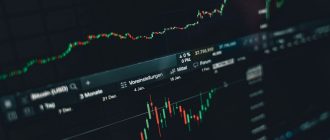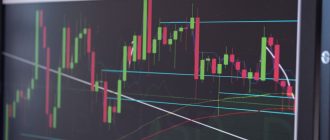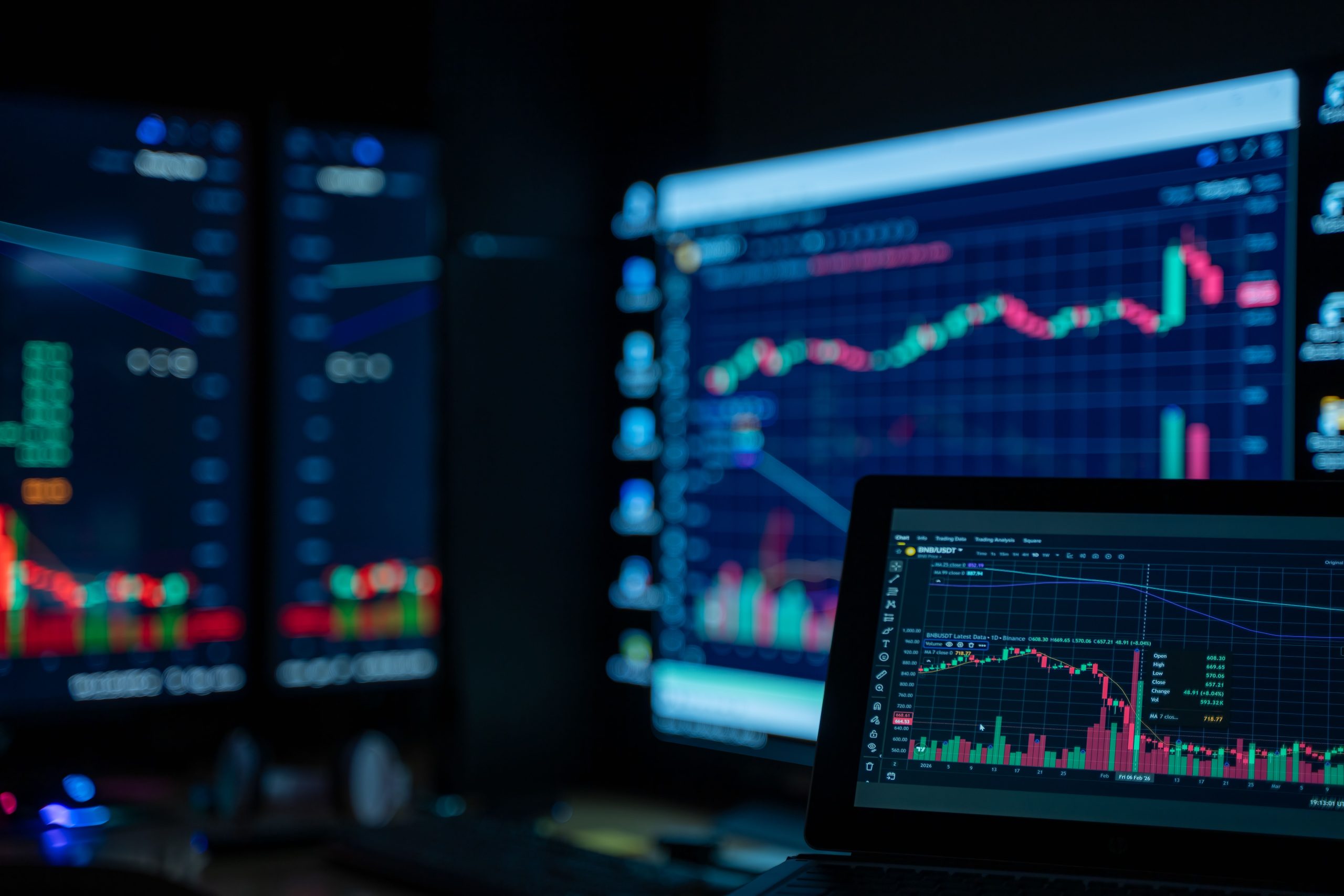
Are traders chasing momentum or managing risk? Across equities and currency pairs, volatility has become the main constant. Stock indices are reacting to earnings revisions, while forex pairs are tracking central bank tone more than headline data.
1. Equity Markets Are Trading on Breadth, Not Just Benchmarks
Index performance looks strong on the surface, but the real story is under the hood. When a handful of mega-cap stocks carry the rally while smaller names lag, the tape becomes fragile. Traders who only watch the headline index can miss early warning signs of distribution.

Why Narrow Leadership Changes the Risk Setup
- Weak breadth often precedes sharp pullbacks even when the main index is near highs.
- Sector rotation into defensive names can confirm that institutional money is reducing risk.
- Volume confirmation matters more than price alone during breakouts.
2. Forex Traders Are Re-Pricing Rate Differentials
Currency markets are not simply moving on strong or weak data. They are re-pricing the expected gap between interest rates in different economies. A hot inflation print in one region may not lift its currency if traders believe the central bank will stay cautious.
Pairs to Watch When Volatility Expands
- EUR/USD tends to react sharply to eurozone and US rate repricing.
- GBP/JPY combines growth sentiment with carry trade flows, making it highly sensitive to risk appetite.
- AUD/USD often acts as a proxy for global growth and commodity demand.
3. Practical Trade Plan for a News-Driven Week
The most reliable edge comes from preparing scenarios before a release, not after. Decide in advance which level invalidates your idea and which target justifies the risk. This removes the emotional overreaction that news spikes create.
Execution Checklist
- Mark key support and resistance zones before the market opens.
- Wait for the first 5-minute candle to close after major data.
- Use a stop loss based on market structure, not a random pip distance.
- Scale out partial profits when price reaches the first target.
Bottom Line: Trade the Reaction, Not the Headline
Markets reward traders who respect positioning, liquidity, and risk management more than those who simply follow the loudest story. If the chart does not confirm the news, the safest trade is often no trade at all.
Next step: Revisit the trading news desk before the New York open, compare the session range with the previous day, and look for confirmation on higher volume before entering.