Are traders ready for the next volatility shock? Market pricing is shifting fast as rate cut expectations collide with resilient economic data. Equity indices are grinding near key levels, while currency pairs such as EUR/USD and GBP/JPY are building pressure for sharp moves. This week’s trading setup is not about chasing headlines; it is about reading the reaction.
Stock Market: Key Levels Driving Current Momentum
Major indices are holding an uneasy balance between bullish momentum and overbought conditions. The S&P 500 and Nasdaq continue to benefit from capital rotation into large-cap tech, but participation is narrowing. When fewer stocks carry the rally, pullbacks tend to be faster than the climb.
- S&P 500 must defend the 5,250 support zone to keep the short-term uptrend intact.
- Nasdaq remains sensitive to bond yields; a sudden yield spike could trigger profit-taking in growth names.
- Defensive sectors such as utilities and healthcare are attracting flows as a hedge against headline risk.
Why Tech and Defensive Sectors Are Diverging
Investors are not abandoning risk entirely, but they are becoming selective. Semiconductor stocks are leading on artificial intelligence demand, while consumer discretionary names lag on mixed spending signals. This divergence tells traders that the market is rewarding earnings visibility and punishing uncertainty.

Forex: Dollar Strength and Currency Pairs in Focus
The US dollar is caught between hawkish Federal Reserve commentary and stronger-than-expected labor market data. Higher-for-longer interest rates support the dollar, but positioning is stretched. That creates a two-way risk environment for major pairs.
- EUR/USD is testing the 1.0850 area; a daily close below could open the door toward 1.0780.
- GBP/JPY remains driven by Bank of England expectations and global risk appetite.
- USD/JPY is sensitive to intervention talk above the 155.00 level.
Technical Zones Traders Should Monitor
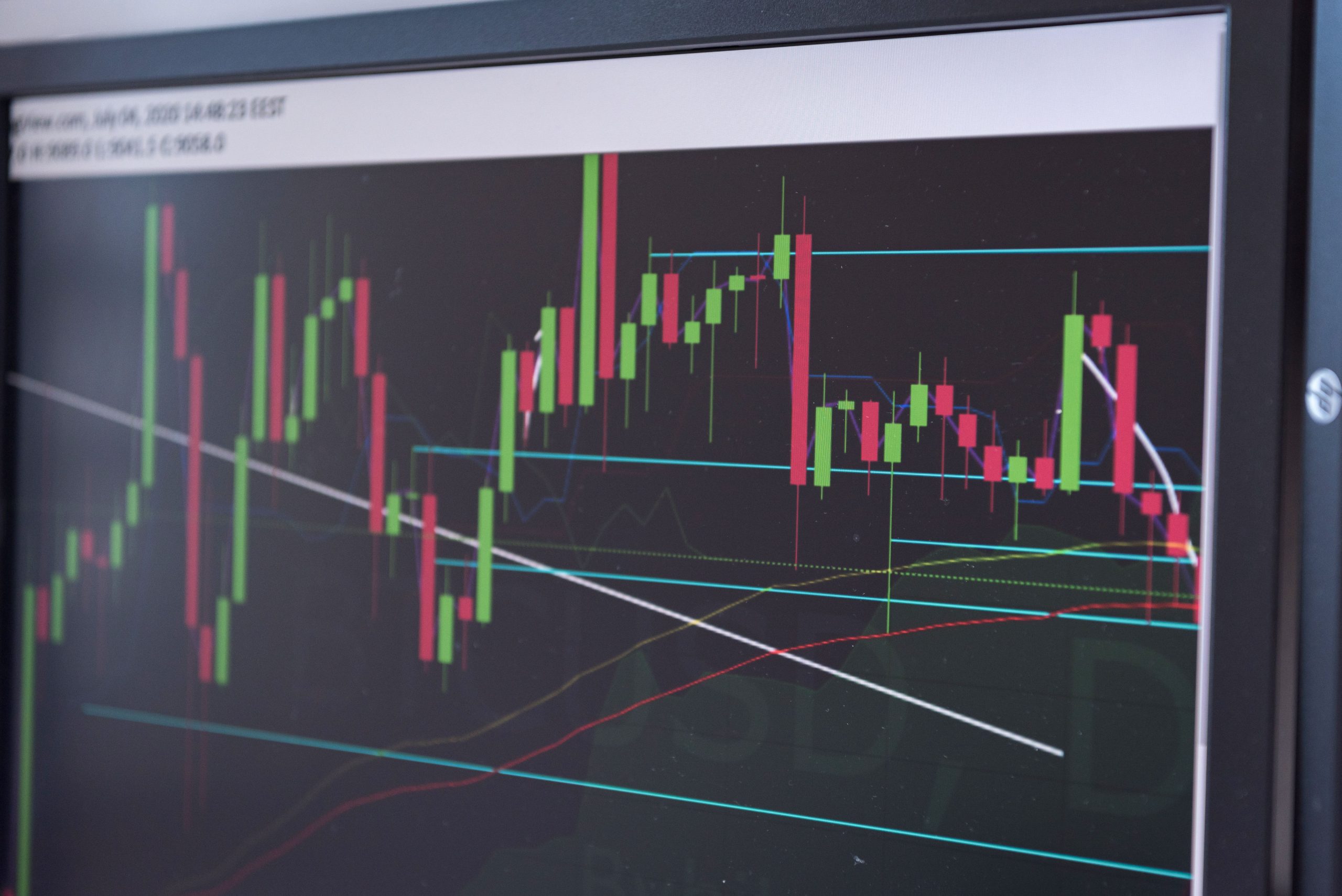
Support and resistance are not exact lines; they are zones where liquidity builds. Watch how price reacts at these levels, not just whether it touches them. A false breakout followed by a sharp reversal often signals a larger move.
Trading Strategy: Turning Headlines into Actionable Setups
The most reliable approach in a headline-driven tape is to wait for confirmation. Economic releases can produce violent spikes that fade within minutes. Use shorter timeframes for entries, but keep the larger trend in mind.
- Set risk parameters before the news release, not during the volatility.
- Focus on liquid instruments such as index futures and major currency pairs.
- Track market breadth and bond yields alongside price action for confirmation.
Bottom Line: Trade the Reaction, Not the Rumor
The market’s first move on news is often wrong. Smart traders let volatility settle, identify the level that holds, and then enter with defined risk. This week, the opportunity is not in predicting the exact headline but in managing the reaction with discipline.