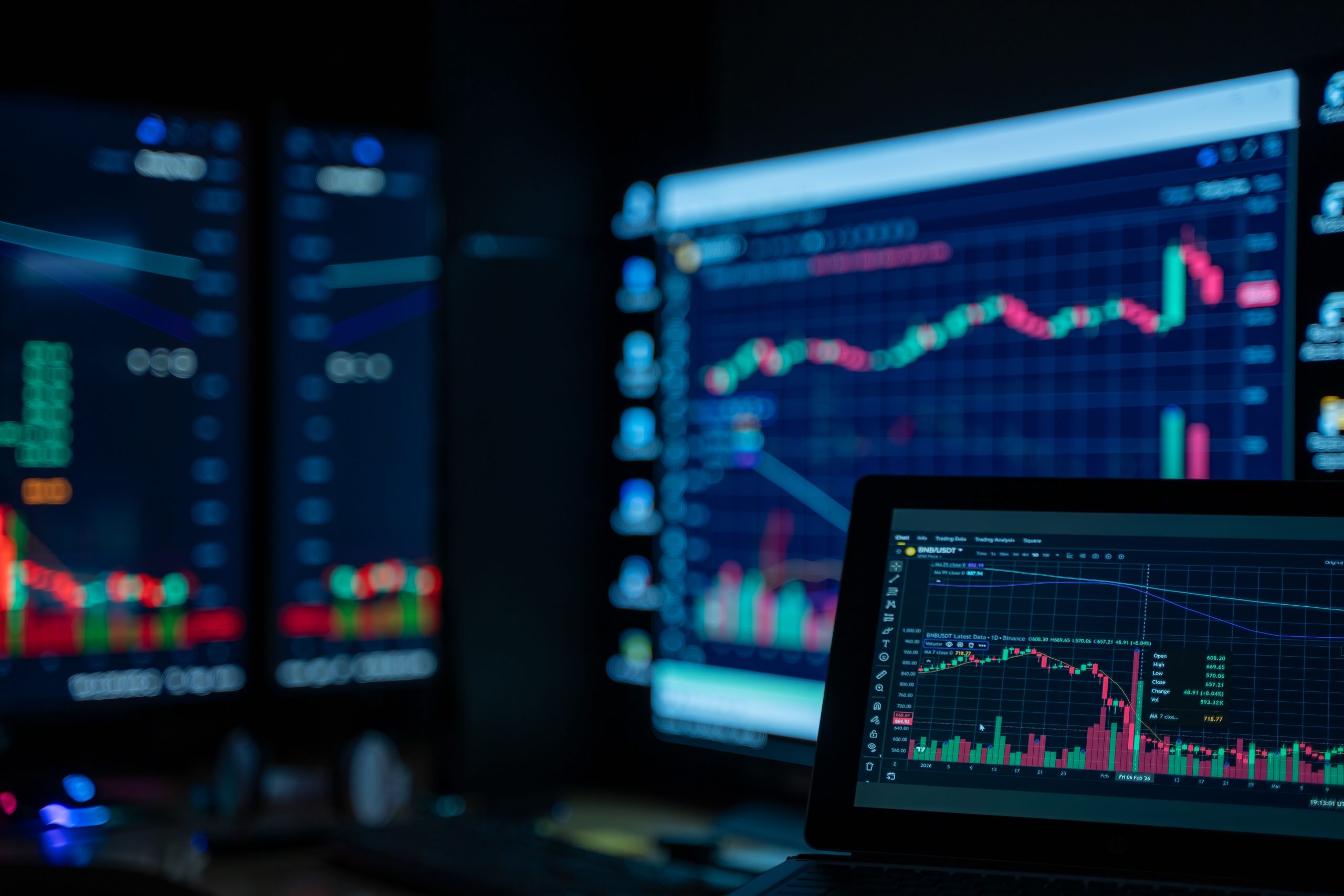
Are sharp market swings a warning sign or an entry signal? In 2026, traders are no longer choosing one market; they are moving capital between equities and currency pairs as volatility shifts across sessions.
Why Currency Markets Are Capturing More Trading Volume
Forex has gained favor because it offers 24-hour liquidity, deep order books, and clear reactions to macroeconomic data. Instead of waiting for the opening bell, traders can respond immediately to central bank statements, inflation prints, and employment reports.
Central Bank Divergence Creates Trends
When major central banks move in opposite directions, currency pairs such as EUR/USD and GBP/JPY can trend for weeks. That directional persistence is attractive for swing and position traders.
Session Overlaps Offer Lower Slippage
The London–New York overlap remains the most liquid window. Spreads tighten, order execution improves, and breakouts become more reliable during these hours.

Stock Setups That Still Deserve a Place in Your Watchlist
Equities offer something forex cannot: earnings-driven momentum and sector rotation. Traders who focus on relative strength in technology, energy, and financials can find moves that ignore broad index chop.
Earnings Season as a Catalyst
Stock traders should map key earnings dates and watch how a stock reacts to its report. A breakout on above-average volume often signals institutional accumulation.
Index Futures for Directional Bias
Using S&P 500 and Nasdaq futures helps stock traders gauge risk appetite before placing individual equity trades.
Risk Management Separates Consistent Traders from Gamblers
No setup works without position sizing and clear invalidation levels. A practical routine includes:
- Risk no more than 1–2% of account equity per trade.
- Define the stop-loss before entry, not after the trade moves against you.
- Track the economic calendar to avoid holding through high-impact news.
- Review weekly win rate and average risk-reward instead of chasing every signal.
What to Watch Next in Stocks and Forex
Monitor interest-rate expectations, inflation data, and central bank press conferences. In stocks, watch sector leadership and earnings revisions. In forex, focus on pairs with widening rate differentials and strong trends rather than ranging markets.
Whether you trade equities, currencies, or both, the edge belongs to those who adapt quickly, manage risk first, and let volatility work in their favor.