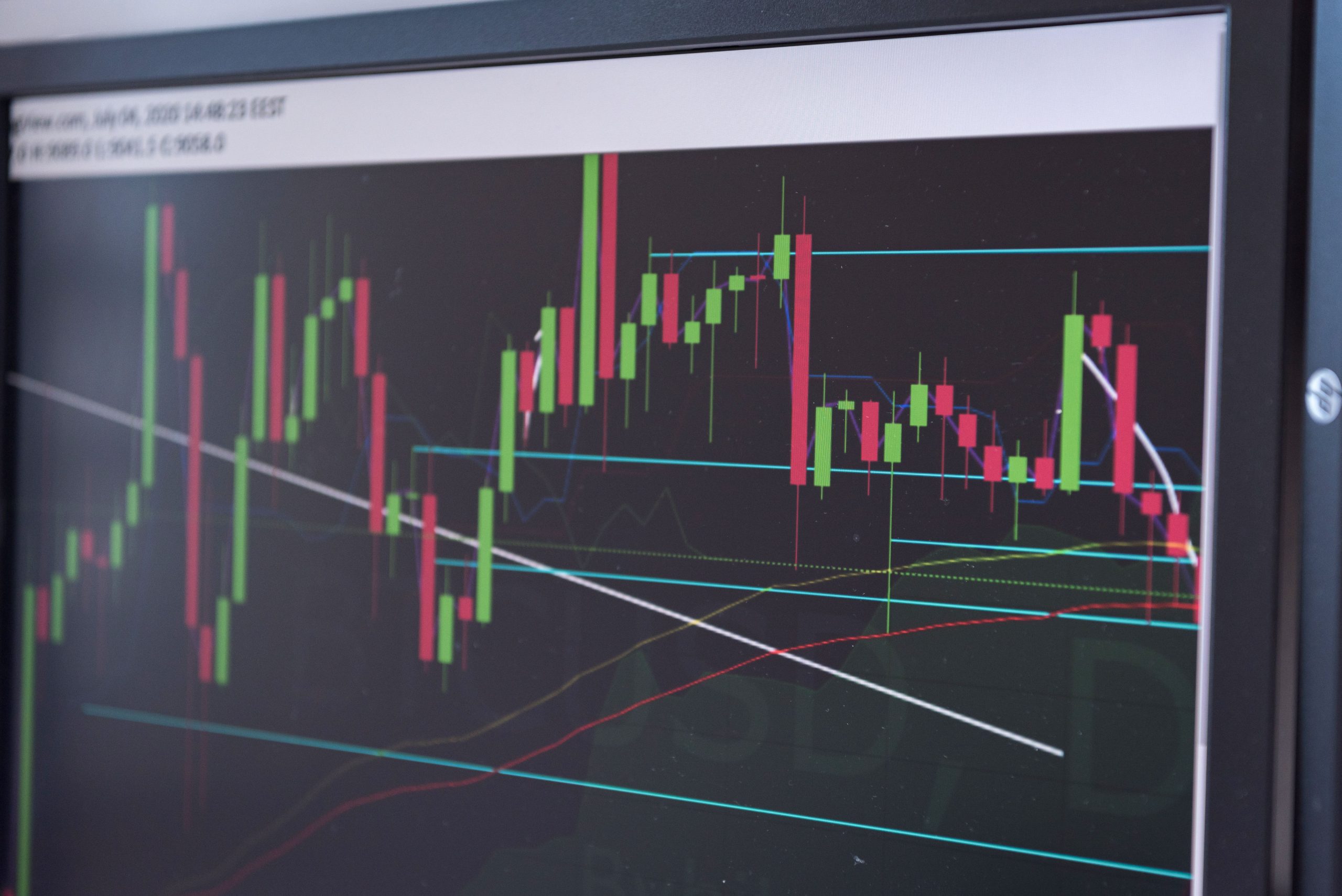
Is the stock market rally ignoring the bond market—or is the dollar finally telling the truth? Recent sessions have produced a rare cross-asset setup: equities are grinding higher while the U.S. dollar refuses to break down. For equity, FX, and index traders, that combination is both a warning and an opportunity.
When risk appetite and dollar strength rise together, the usual “risk-on sells the dollar” playbook stops working. Understanding why the correlation has shifted can help you avoid crowded trades and position for the next leg.
Why Stocks and the Dollar Are Flashing the Same Signal
The dollar and equities are not always inversely correlated. In a rate-driven market, both can rise when investors believe the Federal Reserve will keep policy tighter for longer. Higher yields support the dollar, while resilient earnings keep stock buyers active.
At the same time, FX volatility is waking up. Currency pairs are moving in fast bursts rather than smooth trends, which creates both risk and reward for short-term traders.
Three Market Trends Driving the Cross-Asset Squeeze
1. Rate Expectations Are Being Repriced
Bond and currency traders are repricing their Federal Reserve expectations. Strong inflation data or hawkish commentary tends to lift the dollar and pressure rate-sensitive tech names. The opposite happens when weak data arrives.

2. FX Volatility Is Climbing From Low Bases
Major pairs such as EUR/USD and GBP/USD have shown wider daily ranges, while USD/JPY remains sensitive to intervention headlines. This is a market where stop placement matters more than usual.
3. Earnings and Liquidity Keep Buyers Engaged
Strong corporate results and buyback flows continue to support benchmark indices. However, thin liquidity during late sessions can exaggerate moves, especially around central bank speeches and key data releases.
Key Levels and Scenarios for the Week Ahead
Rather than predicting the next move, traders should map out reaction zones. Here are the levels to watch:
- EUR/USD: A sustained break below the recent support zone opens the door toward the next round number; a bounce must reclaim the 20-day average to shift momentum.
- USD/JPY: Approach intervention territory with caution—sharp reversals often follow verbal warnings from Japanese officials.
- S&P 500: A close above the current range high confirms continuation, while a failed breakout can trigger rapid mean-reversion selling.
What Traders Should Do Differently
Respect the Correlation, Don’t Fight It
If the dollar and equities are moving in the same direction, avoid assuming a reversal just because one leg looks extended. Wait for confirmation from both sides before fading the move.
Use Smaller Size Around Central Bank Events
Fed speakers, inflation reports, and employment data can cause violent repricing. Reducing position size around these events is not conservative—it is professional risk management.
Bottom Line: Trade the Reaction, Not the Narrative
The real takeaway is not whether markets are bullish or bearish. It is that the usual risk-on/sell-dollar correlation is weakening and volatility is shifting. When stocks and the dollar move together, trend followers can profit, but range traders get chopped. The next few sessions favor patience, smaller size, and waiting for confirmation above or below the levels that matter.
Set alerts, not opinions. Let price confirm the breakout before you commit capital.