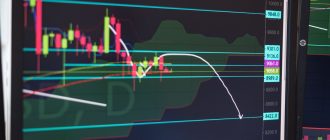
Yen Slides Toward 160 Barrier, Tokyo Issues Stern Warning
The Japanese yen is once again testing the critical 160-per-dollar level, triggering fresh warnings from Tokyo. Japan’s Finance Minister stated that the country is ready to take “decisive action” against excessive volatility, signaling that another round of intervention may be imminent. The unwinding of gains from official buying in late April and early May has pushed the currency to 159.93 per dollar – a four-week low.
Despite the risks, speculators have built the largest bearish yen position since July 2024, worth nearly $9 billion. Analysts at ANZ note that markets are hesitant to challenge the Bank of Japan too aggressively ahead of key U.S. payrolls data. However, without a meaningful shift in Japan’s rate outlook, the incentive to trim short positions remains weak. A widely expected rate hike by the BOJ this month, and possibly another by year-end, has done little to deter yen bears as rising energy import costs add to Japan’s economic headwinds.

Gulf Tensions and Oil Surge Supercharge Dollar Demand
The U.S. dollar has emerged as the standout performer in foreign exchange, rising 0.4% this week against major currencies and 1.3% over the past month. Stalled U.S.-Iran peace talks and renewed hostilities have kept oil above $90 a barrel, amplifying safe-haven flows into the greenback. Citi’s U.S. economic surprise index hit a three-year high, reviving the “American exceptionalism” narrative as data on employment, spending, and business activity consistently beat forecasts.
U.S. 10-year Treasury yields have jumped 50 basis points since the start of the Iran conflict – more than any other major economy except the UK. CIBC Capital Markets highlights that the combination of positive U.S. economic surprises and elevated two-year yields north of 4% keeps conditions supportive for the dollar, while the euro zone and Japan struggle with the drag from high energy prices.
Euro and Pound Under Pressure as Rate Divergence Widens
Despite expectations of up to three ECB rate hikes this year, the euro is down 1% over the past month, trading at $1.1634 on Friday. The pound edged higher to $1.3450, but both currencies remain vulnerable to the widening rate differential with the U.S. and the persistent energy-cost overhang. Market attention now turns to the U.S. nonfarm payrolls report, with economists forecasting an 85,000 increase in jobs for May and the unemployment rate steady at 4.3%. A stronger-than-expected print could ignite another leg higher for the dollar and push the yen closer to official intervention.
Key Takeaways for Traders
- Yen intervention risk: The 160 level is a clear line in the sand. A break above without BOJ action could trigger a sharp move toward 162–163.
- Dollar strength drivers: Safe-haven demand, U.S. economic outperformance, and Fed rate expectations remain intact. Watch NFP for near-term direction.
- Oil’s ripple effect: Sustained crude above $90 intensifies pressure on energy-importing currencies like the yen and euro, reinforcing dollar dominance.
As geopolitical fog persists and central bank paths diverge, the FX market is poised for further turbulence. Traders should monitor Tokyo’s next move closely – and consider how the interplay of oil, yields, and intervention threats could reshape portfolio strategies in the weeks ahead.