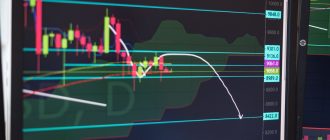
What if the next 48 hours redefine the dollar trend? Traders are watching a rare mix of tightening liquidity, repositioned rate bets, and breakout-ready charts across the S&P 500, EUR/USD, and GBP/USD.
Central Bank Signals Are the Real Catalyst
Currency and equity markets do not move on news alone; they move on the gap between expectations and reality. When policymakers shift even one word, volatility expands.
Stocks: Watching the S&P 500 Reaction Zone
Index traders should watch whether the S&P 500 holds its 50-day moving average. A rejection above key resistance can trigger short covering, while a daily close below support may invite systematic selling.

Forex: Dollar Pairs Set Up for Expansion
EUR/USD and GBP/USD often compress before central bank statements. The breakout after the release usually sets the directional bias for the next several sessions.
Three Setups to Trade the Next Volatility Squeeze
- S&P 500 breakout retest: Wait for a five-minute reclaim of the pre-news range before entering with the trend.
- EUR/USD stop run: A false break below Asian session lows can offer a high reward-to-risk long if buyers step in quickly.
- Gold as a pressure gauge: If yields fall while gold rises, risk sentiment may favor defensive positioning and a softer dollar.
Risk Management Is the Trade
Most traders lose during news events not because they pick the wrong direction, but because they over-leverage into a two-way auction. Reduce position size, widen stops beyond the first spike, and let the first five minutes pass.
Bottom Line: Trade the Reaction, Not the Headline
The edge is not in predicting the announcement; it is in reading how price responds after the first washout. Build a checklist, track the reaction zone, and take only the setups that confirm with volume.
Ready for the next market open? Review your watchlist, mark the key levels, and trade the evidence, not the emotion.