Can diplomatic whispers really move markets? With Arab nations scrambling to prevent a fresh round of US strikes on Iran, crude oil prices are whipsawing and the dollar is catching a safe-haven bid. The Strait of Hormuz hangs in the balance—and so does your portfolio.
The Fragile Diplomacy: Arab Nations Push for Peace
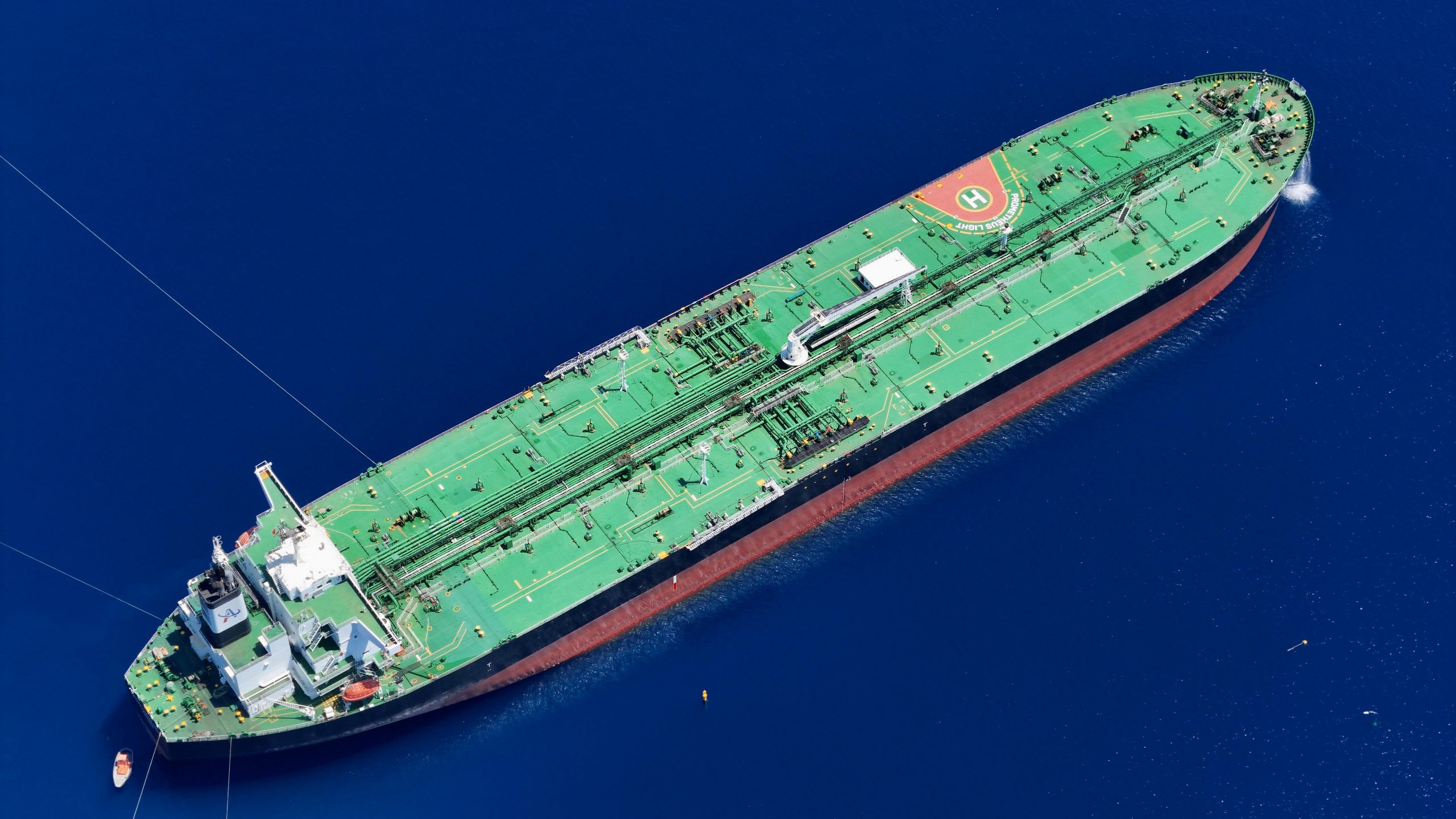
In a last-ditch effort, the UAE, Saudi Arabia, and Qatar have joined Pakistan in urging President Trump to allow more time for negotiations. Secretary of State Marco Rubio called the progress “slight,” while Iran warned that any new attacks would open “new regional fronts.” The stakes couldn’t be higher: a permanent toll system on the Strait of Hormuz, proposed by Iran, is a red line for Washington and could reshape global energy flows overnight.

Oil Prices Spike: What It Means for Energy Stocks and Commodities
Brent crude has surged above $85, driven by supply fears. The disruption is already hitting American consumers at the pump, and midterm elections are adding urgency. For traders, this translates into opportunity—and risk.
- Energy Equities: Majors like ExxonMobil (XOM) and Chevron (CVX) rally on higher crude, but refining margins get squeezed by input costs. Drilling and service stocks (e.g., Halliburton (HAL), Schlumberger (SLB)) often see amplified moves.
- ETFs to Watch: The Energy Select Sector SPDR (XLE) and the leveraged Direxion Daily Energy Bull 2X Shares (ERX) are popular vehicles. Use options to hedge against sudden reversals.
How Crude’s Surge Translates to Forex Markets
The US dollar strengthens as risk aversion spikes, but the picture is mixed. Commodity-linked currencies like the Canadian dollar (CAD) and Norwegian krone (NOK) benefit from higher oil, while the euro and emerging market currencies come under pressure. Key pairs to watch:
- USD/CAD: Often stable due to offsetting forces—higher oil helps CAD, but a stronger USD pushes back. Breakout traders should watch the 1.35–1.38 range.
- EUR/USD: A fall below 1.08 could signal deeper risk-off positioning.
- GBP/JPY: A classic risk barometer—drops when tension escalates.
Three Trading Strategies for Geopolitical Uncertainty
- Straddle Energy ETFs: Buy at-the-money calls and puts on XLE ahead of key diplomatic announcements. The implied volatility spike can work in your favor even if direction is unclear.
- Long Gold as a Hedge: XAU/USD tends to rally on war fears. Look for entries near $2,300 with a target of $2,380.
- Short EUR/USD on Failed Ceasefire: If talks collapse, the euro could tumble as capital flees to the dollar. Keep a tight stop above 1.0920.
Key Levels to Put on Your Radar
- Brent Crude: Support at $80.50, resistance at $90.20—a weekly close above $90 could spark a run to $95.
- S&P 500: The 4,100 level is critical; a breach may trigger algorithmic selling down to 4,000.
- US Dollar Index (DXY): Holding above 105.50 keeps the uptrend intact; next resistance at 107.20.
This is not the time for lazy longs. Diplomatic headlines can reverse fortune in minutes. Use tight stop-losses, monitor the news cycle, and consider reducing position size until the picture clears. Energy markets are pricing in a worst-case scenario—if a genuine peace deal emerges, expect a violent snap-back. Trade the chaos, but don’t marry your position.