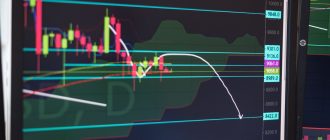
Is the market about to reward breakout traders or trap them in another false move? Stocks and foreign exchange pairs are compressing near key technical zones, and that compression rarely stays quiet for long.
Whether you trade S&P 500 futures, EUR/USD, GBP/JPY, or technology shares, the playbook is the same: follow price structure, respect volatility, and wait for confirmation.
Why Traders Are Watching Stock and Currency Correlations
Risk sentiment continues to drive short-term swings. When equity futures rally, currencies such as the Australian dollar and British pound often strengthen against the safe-haven dollar. When stocks fade, the Japanese yen and Swiss franc tend to catch a bid.
This correlation is not perfect, but it helps traders understand whether a move has real conviction or is simply a knee-jerk reaction.
Dollar Index Holds the Key
The U.S. dollar remains the anchor for currency markets. If the dollar index breaks above its recent range, expect pressure on EUR/USD and emerging-market currencies. If it fades, risk assets may get a tailwind.

Traders should mark the most recent higher low and lower high on the daily chart. A daily close outside that structure often sets the tone for the next leg.
Equity Sectors Rotate, Not Just Indices
Index-level moves can hide important rotation. Defensive sectors may outperform when bond yields climb, while high-growth technology names can lose momentum. Tracking sector rotation gives a more detailed picture than watching only the headline index.
Five Signals to Trade the Next Breakout
- Range contraction before expansion: Tight daily candles near support or resistance often precede strong directional moves.
- Volume confirmation: A breakout without rising volume may fail quickly, especially in stock indices.
- Relative strength in FX pairs: If EUR/USD is flat while GBP/USD rallies, focus on the stronger pair rather than forcing a lagging market.
- Correlation confirmation: Check whether equities and commodity currencies are moving in the same direction before trusting a risk-on breakout.
- Failed breakout reversals: A sharp reversal back inside the range can be an even stronger signal than the initial breakout.
Trade Management for Volatile Conditions
A clear trading plan keeps decision-making simple. A setup is only as good as its execution. Cut losses quickly, but let confirmed winners run.
Stop Placement and Position Sizing
Place stops beyond structure, not at arbitrary points. If the distance to the stop is too wide, reduce position size instead of moving the stop closer.
News Calendar Discipline
Central bank speeches, inflation data, and employment reports can create sharp moves. Avoid entering right before major releases unless volatility is part of the plan. A clean setup before high-impact news is still a coin toss.
Trade What You See, Not What You Expect
The cleanest setup means nothing without discipline. Treat the first breakout as a hypothesis, not a guarantee. The market will confirm or reject it within a few sessions.
Start with one market, one timeframe, and one repeatable setup. That focus is what separates consistent traders from those chasing every tick.