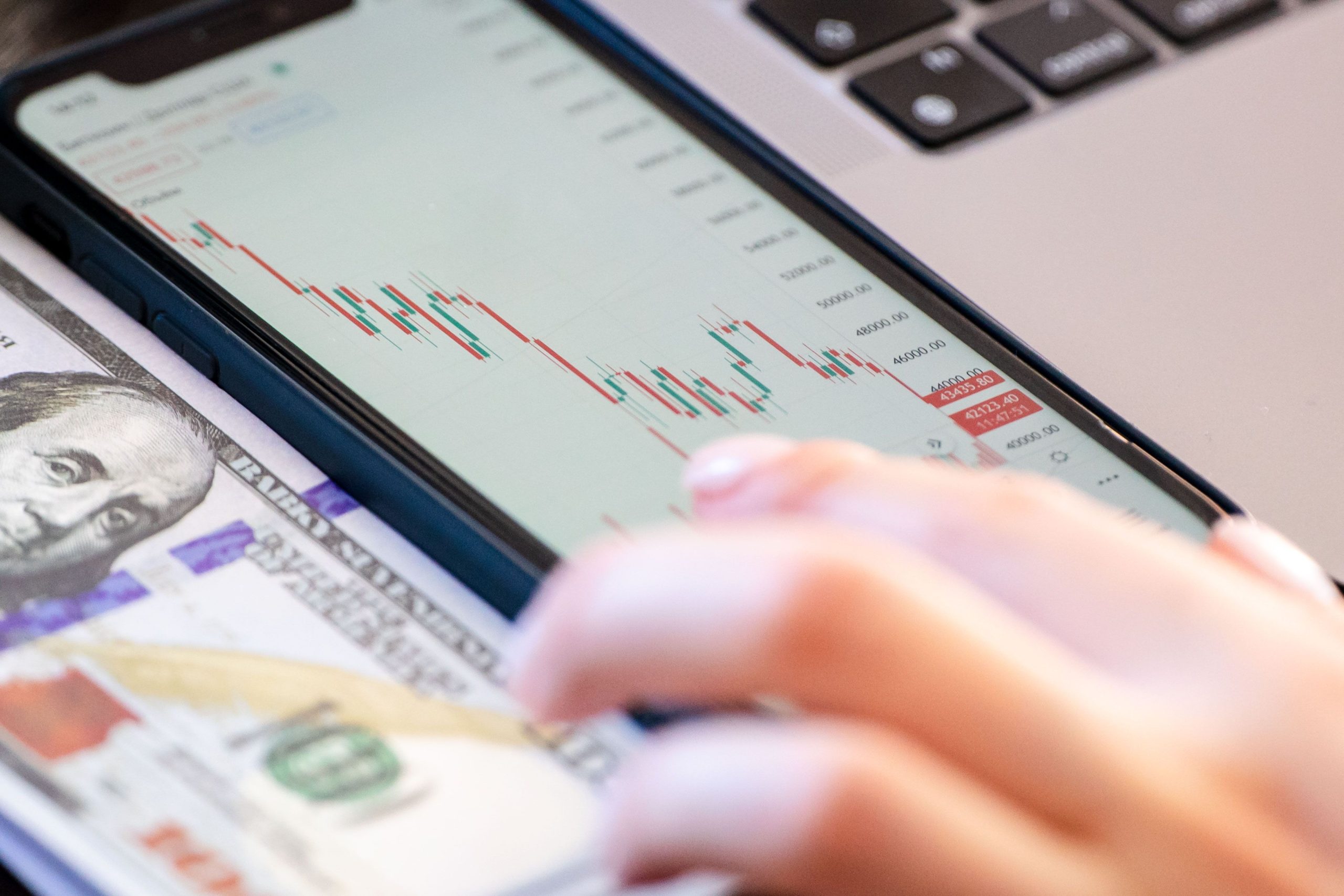
The current trading landscape is riddled with uncertainty as investors grapple with shifting economic data, central bank rhetoric, and geopolitical tensions. With major currency pairs like EUR/USD and GBP/JPY showing erratic patterns, and the S&P 500 teetering on key support levels, traders are asking: Is this the moment to double down or step back?
Key Market Drivers: What’s Moving Forex and Stocks Right Now
This week’s price action is being shaped by a trio of critical factors. Understanding these can mean the difference between capitalizing on volatility and getting caught in a whipsaw.
1. Central Bank Policy Divergence
The Federal Reserve’s hawkish pause contrasts sharply with the European Central Bank’s dovish lean, creating asymmetric opportunities in currency pairs. For instance, the EUR/USD has been sliding as the interest rate differential widens. Meanwhile, the Bank of Japan’s reluctance to tighten is keeping the yen under pressure, pushing USD/JPY to multi-decade highs. Traders should watch for any deviation from expected policy paths—a single comment can trigger a 100-pip move.

2. Earnings Season Surprises
Corporate earnings are injecting volatility into equities. Tech heavyweights are under the microscope, with AI-driven growth narratives facing reality checks. A miss on forward guidance can send a stock tumbling 10% in a session, dragging indices with it. Conversely, positive surprises in defensive sectors like utilities and consumer staples are offering rare safe havens. Stock pickers are rewarded but broad market ETFs require nimble risk management.
3. Geopolitical Flashpoints
From energy supply disruptions to trade tensions, geopolitics is a constant backdrop. Oil prices have spiked on supply fears, boosting commodity-linked currencies like the Canadian dollar and Norwegian krone, while risk-sensitive assets like the Australian dollar face headwinds. In equities, defense stocks are rallying, but airlines and import-heavy industries are suffering. Diversification is no longer just a buzzword—it’s a survival tactic.
Strategies for Trading in a High-Volatility Environment
Thriving in this climate requires more than luck. Here are three actionable approaches:
- Scalp the news: Use economic calendars to trade high-impact releases like CPI or NFP with tight stops and quick profit targets.
- Hedge with options: Buy puts on overextended tech stocks or sell strangles on range-bound forex pairs to collect premium.
- Focus on relative strength: Rotate into sectors showing momentum, such as energy and healthcare, while shorting laggards like real estate.
Technical Levels to Watch This Week
For forex traders, EUR/USD is testing the 1.0700 support; a break below could open the door to 1.0650. GBP/USD is similarly fragile, with 1.2500 as a critical floor. In stocks, the S&P 500 needs to hold 4,100 to avoid a deeper correction. Gold, often a fear gauge, is hovering near $1,980—a breakout above $2,000 could signal a sustained risk-off shift.
Conclusion: Stay Agile, Not Emotional
This is not the time for rigid long-term bets. Markets are repricing risk daily, and those who adapt swiftly will outperform. Keep position sizes small, respect stop losses, and remember that cash is a position too. Ready to act? Review your watchlist, set alerts on key levels, and be prepared to execute when the market tips its hand.