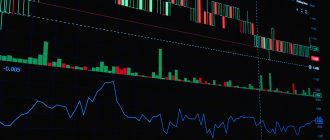
Is your watchlist prepared for a session where the U.S. dollar tests key resistance while equity indices hover near record levels? The latest trading flow suggests traders are no longer simply chasing headlines; they are mapping price reaction around central bank expectations and earnings season.
Markets are rotating, and that rotation creates both opportunity and risk for stock and forex traders. The current environment favors a structured approach: identify the dominant trend, wait for the reaction, and execute only when price confirms the setup.
U.S. Dollar Strength Is Setting the Forex Agenda
The dollar remains the anchor for major currency pairs. When the greenback firms, pressure builds on euro and pound crosses, while commodity-linked currencies can become more volatile. Short bursts of dollar strength often follow hawkish repricing in rate expectations, making forex traders especially sensitive to economic data surprises.
EUR/USD and GBP/USD Levels to Monitor
- EUR/USD is approaching a demand zone where buyers have previously defended downside momentum.
- GBP/USD remains more sensitive to inflation prints and wage data, creating sharper intraday swings.
- Watch the London and New York overlap for clean rejection candles before committing to a position.
A break of these levels without strong volume is often a false signal. Smart forex traders wait for a daily close above or below the zone rather than entering on the first tick.
Stock Traders Are Watching Earnings and Sector Rotation
Equity indices have been climbing, but leadership is shifting. Defensive sectors and select technology names are attracting capital while small caps lag. This rotation tells traders that liquidity is selective, not broad-based.

Why Tech Stocks May Lead the Next Leg
Large-cap technology companies continue to report resilient margins and strong cash positions. Even a modest earnings beat can spark a momentum move, especially when combined with a stable interest rate outlook. However, stretched valuations mean the reaction matters more than the headline number.
Use a simple framework: if a stock gaps above resistance on earnings and holds for the first 30 minutes, the breakout is more likely to continue. If it fades quickly, the gap may become a liquidity trap.
Three Practical Setups for Range-Bound Conditions
Choppy markets punish impulsive decisions. These three setups work best when the broader trend is intact but short-term momentum is unclear:
- Fade the false breakout: Enter when price pierces a range boundary but quickly reverses inside the range.
- Buy the first pullback: In a strong uptrend, wait for a shallow retracement into a moving average or prior breakout level.
- Trade the news reaction: Mark the pre-news range and enter only after the first 15-minute candle closes outside that range with conviction.
Risk Management: The Position Sizing Rule That Keeps You in the Game
Volatility can spike without warning, especially around central bank statements and earnings calls. A practical rule is to risk no more than 1% of account equity on any single trade and set a stop-loss based on technical structure, not a random number.
Smaller position sizes allow traders to stay objective. When a setup fails, the financial damage is limited, and the next opportunity remains within reach.
Bottom Line: Trade the Reaction, Not the Headline
The strongest opportunities often appear after the initial news shock fades and the market reveals its true direction. Focus on price confirmation, respect key levels, and keep risk small enough to survive volatile sessions. Ready to put these levels to work? Review your watchlist, mark the zones, and let price trigger the trade.