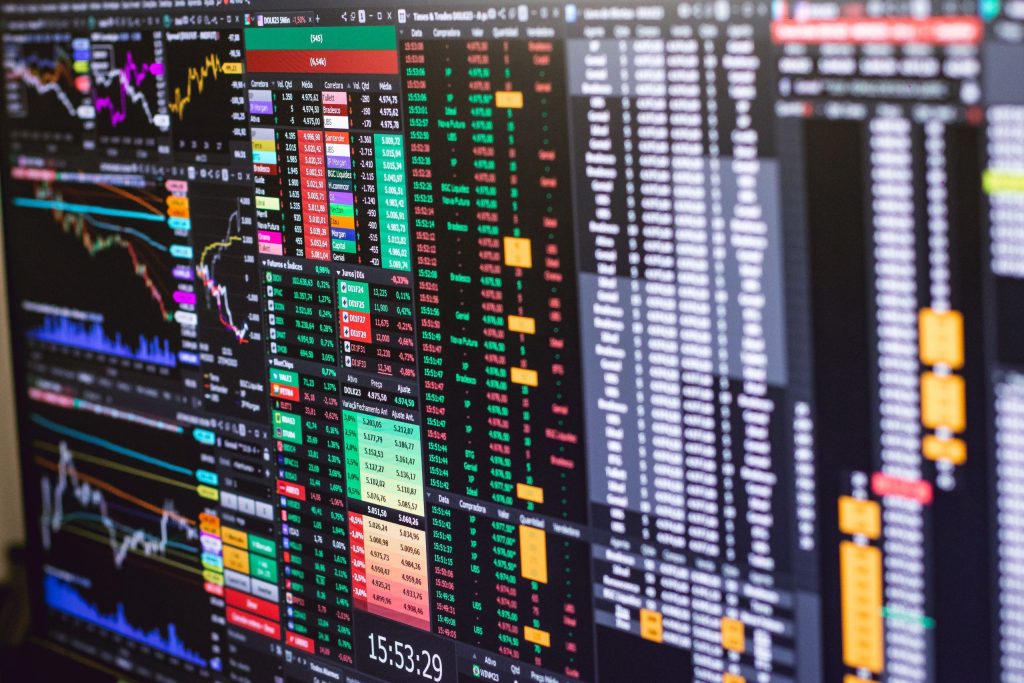
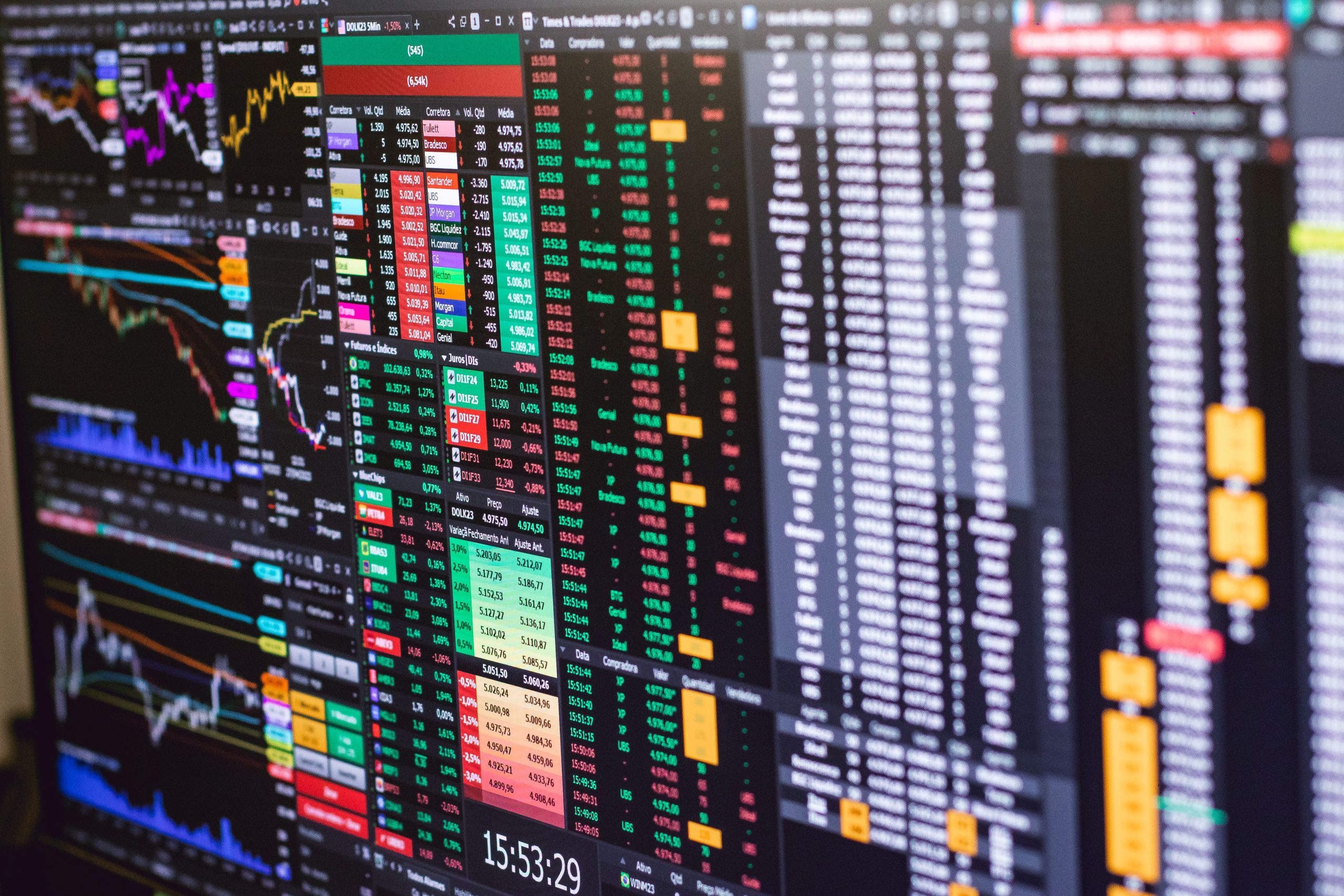

Can you spot the next breakout before the crowd does? Recent sessions have reminded traders that stock indices and major currency pairs can shift direction within minutes, not days. The latest market pulse shows higher volatility across equities and FX, creating both risk and opportunity for prepared traders.
What Is Driving the Latest Stock Market Volatility
Equity benchmarks are reacting to a mix of central bank repricing, corporate earnings surprises and fast-moving liquidity flows. Short bursts of buying have lifted technology shares, while defensive sectors are seeing selective rotation. The market is not moving in one straight line, and that is exactly where opportunity sits.
Central Bank Repricing and Rate Expectations
Traders are repricing the path of interest rates after a run of stronger economic data. Rate-sensitive sectors such as real estate and utilities have shown outsized moves, while growth stocks respond sharply to every shift in bond yields.
Earnings Surprises and Sector Rotation
Earnings season continues to drive single-stock spikes and sector rotation. A better-than-expected report can lift an entire industry group, while a cautious outlook can trigger rapid selling. Watching relative strength before the open helps filter noise from genuine momentum.


Forex Traders Are Watching These Pairs Closely
The currency market is trading with a clear risk pulse. Safe-haven demand and commodity price swings are shaping short-term flows, making major pairs more responsive to headlines.
USD Pairs and Safe-Haven Flows
The US dollar remains the anchor for global FX. When risk sentiment deteriorates, traders rotate toward the dollar and the Japanese yen; when risk appetite returns, those flows quickly reverse.
High-Beta Currencies and Commodity Links
Currencies tied to commodities, such as the Australian dollar and Canadian dollar, are tracking oil and metals prices. Traders should watch commodity charts alongside FX setups to avoid being caught by a sudden reversal.
Three Practical Rules for the Current Trading Environment
- Respect the range: Wait for confirmed breaks instead of chasing the first spike.
- Size for volatility: Wider stops and smaller position sizes help protect capital during fast moves.
- Track the calendar: Central bank speeches and inflation prints are the main catalysts this week.
Turning Volatility Into a Trading Plan
The traders who adapt fastest will be the ones who treat volatility as a tool, not a threat. Set alerts around major levels, define risk before entry, and focus on the charts that match your time frame. A disciplined watchlist beats a crowded headline every time.
Action step: Review your top three stock and FX setups before the next session, mark invalidation levels, and update your risk plan accordingly.