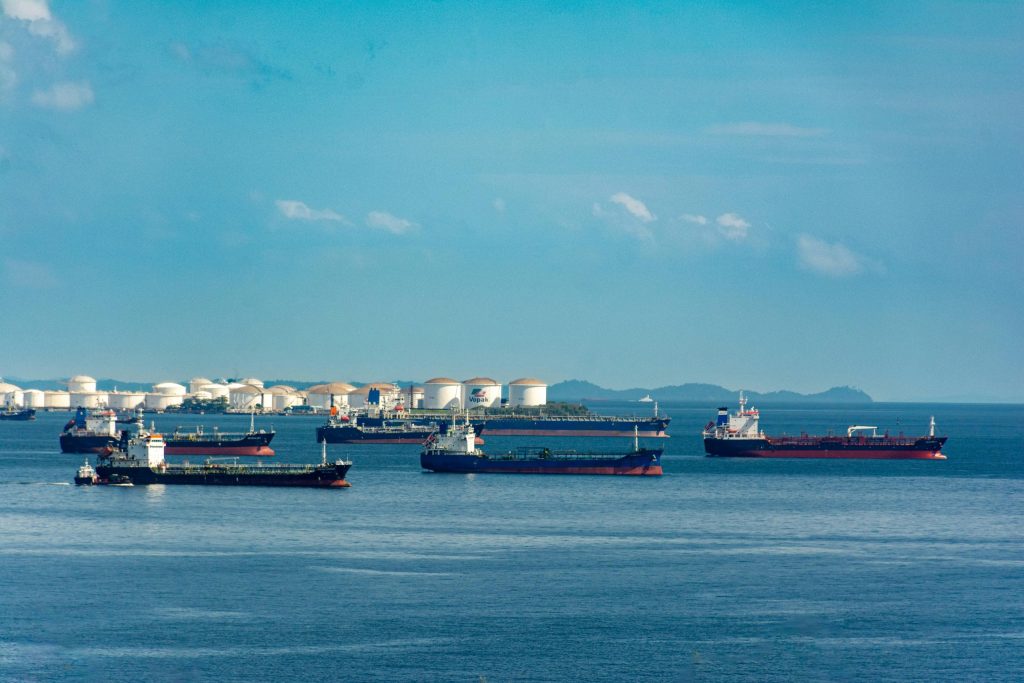


With Brent crude flirting with $126 a barrel and West Texas Intermediate surging past $105, traders are asking one urgent question: is this the beginning of a prolonged energy crisis? The ongoing Iran conflict and the blocking of the Strait of Hormuz have upended global oil supply, and the ripple effects are now crashing through forex, equities, and commodity markets. Here’s what you need to know to stay ahead.
Crude’s Relentless Climb: Why Oil Prices Refuse to Pull Back
The price action in crude futures speaks volumes. On Friday, Brent for July delivery rose 89 cents to $111.29 a barrel, while WTI gained 37 cents to $105.44. Week-to-date, WTI is on track for an 11.7% surge, and Brent’s now-expired June contract briefly touched $126.41—the highest level since March 2022.
The trigger remains unchanged: Iran’s continued refusal to reopen the Strait of Hormuz, a chokepoint that handles roughly one-fifth of the world’s oil and LNG supply. Despite a ceasefire in place since April 8, diplomatic talks have stalled. Iranian Foreign Ministry spokesman Esmaeil Baghaei dismissed expectations of a quick resolution, while UAE presidential adviser Anwar Gargash warned that unilateral Iranian guarantees on freedom of navigation are unreliable.
- Brent crude: $111.29 (+0.8%)
- WTI: $105.44 (+0.4%)
- Strait of Hormuz throughput: ~20 million barrels per day disrupted
- U.S. threat level: Fresh military strike plans briefed to President Trump
Forex Fallout: Petrocurrencies Surge, Safe Havens Wobble
The oil spike is redrawing the forex map. Commodity-linked currencies like the Canadian dollar (CAD) and Norwegian krone (NOK) are flexing muscle as crude prices lift their export revenues. Conversely, oil-importing nations in Asia are seeing pressure on their currencies, with the Japanese yen caught between its safe-haven status and Japan’s heavy reliance on energy imports.
Key pairs to monitor:


- USD/CAD: Testing support near 1.3450 as the loonie rides oil tailwinds.
- NOK/SEK: Norwegian krone outperforming Swedish counterpart on energy divergence.
- USD/JPY: Rangebound but vulnerable to breakouts if oil-induced inflation fears spike.
Meanwhile, the U.S. dollar is getting a mixed bid—supported by risk aversion stemming from geopolitical uncertainty but dragged by higher energy costs feeding inflation concerns.
Equities in the Crossfire: Energy Stocks Shine, Broader Markets Cautious
The stock market is splitting along sector lines. Energy companies are obvious beneficiaries: upstream producers, oilfield services, and midstream operators are seeing their share prices lift with every tick higher in crude. The S&P 500 Energy sector has gained over 15% in the past month, and names like ExxonMobil, Chevron, and ConocoPhillips are trading near all-time highs.
But the broader indices face headwinds. Higher oil prices translate to increased input costs for transportation, manufacturing, and consumer goods. This is reviving stagflation fears—slower growth plus higher inflation—which historically compresses P/E multiples. The S&P 500 and Nasdaq have struggled to maintain momentum above their 50-day moving averages.
- Energy Select Sector SPDR (XLE): Up 18% in Q2.
- Airline stocks: Under pressure as jet fuel costs climb.
- Tech: Choppy as higher energy costs threaten consumer spending.
Key Technical Levels for Oil Benchmarks
Traders should keep these levels on their screens:
- Brent resistance: $126.41 (recent high), followed by $130 psychological round number.
- Brent support: $109 (50-day EMA), $105 (gap fill from April breakout).
- WTI resistance: $112, then $118.50.
- WTI support: $102, with stronger floor at $97.
Trading Strategies for Elevated Energy Volatility
With the VIX hovering above 22 and oil volatility (OVX) at multi-month highs, position sizing and risk management are paramount. Here are three approaches to navigate this environment:
- Hedging with options: Buying protective puts on energy-heavy portfolios or selling covered calls on existing positions to generate income.
- Spread trades: Long energy stocks / short consumer discretionary stocks to isolate the oil-price theme.
- Forex carry trades with caution: Long CAD/JPY or NOK/JPY to capture both the oil bid and interest-rate differential, but keep stops tight given headline risk from Iran.
What Comes Next: Diplomacy or Escalation?
The market is pricing in a prolonged disruption, but any breakthrough in U.S.-Iran talks could trigger a sharp reversal in oil prices. Conversely, a new round of U.S. military strikes would almost certainly send crude above $130. Traders must stay nimble, monitor the IRNA news agency and Pentagon briefings, and avoid over-leveraging in one-directional bets.
The energy complex is the heart of the current macro regime. Whether you trade forex, stocks, or futures, ignoring oil is not an option. Align your positions with the trend, but respect the two-way risk that defines this volatile chapter in global markets.