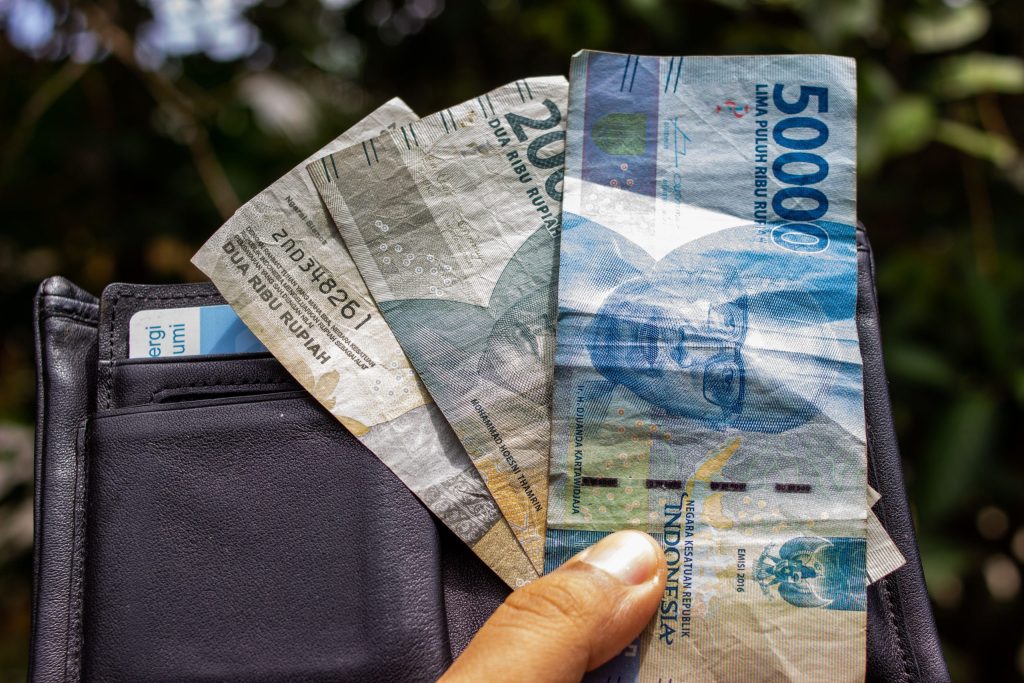


Can Southeast Asia’s largest economy reverse a staggering 30% stock market plunge and record currency lows? Indonesia’s central bank and finance ministry are betting on a bold yield-boosting strategy to lure back skittish foreign investors. With the rupiah hitting historic troughs and capital outflows accelerating, traders are now asking: is this the turning point for IDR?
A United Front: Bank Indonesia and the Finance Ministry Join Forces
In an unusual show of coordination, Bank Indonesia Governor Perry Warjiyo and Finance Minister Purbaya announced a joint plan to increase yields on Indonesian assets. The aim is clear: revive portfolio inflows and stabilize the battered rupiah. While specific measures remain vague, the commitment itself signals urgency.
Warjiyo stated, “We will increase the attractiveness of yields so that portfolio inflows return.” The market, however, remains cautious—details on execution are still missing.
Why the Rupiah Is Under Siege
Several headwinds have converged to pummel Indonesian markets:
- Capital flight: Foreign holdings of Indonesian bonds have collapsed to a near two-decade low.
- Policy anxiety: President Prabowo Subianto’s expansive spending plans and fuel subsidy surges (exacerbated by the Iran conflict) have spooked investors.
- Institutional concerns: Questions over central bank autonomy, stock market transparency, and a new plan to centralize commodity exports add to the uncertainty.
These factors have driven the rupiah to record lows, forcing Bank Indonesia into aggressive currency interventions and bond-buying operations.


What the Yield Strategy Means for Traders
The central bank’s recent auction of one-year SRBI bonds at a 7.25% weighted average yield—well above the government’s 10-year bond yield of 6.902%—highlights the premium now on offer. For forex traders, this creates a compelling carry-trade opportunity, but also significant risk:
- Interest rate differentials: Higher yields could attract short-term speculative inflows, potentially giving IDR a temporary boost.
- Intervention risks: BI has already stepped up FX interventions; further actions could cause sharp, unpredictable moves.
- Policy rate outlook: After a larger-than-expected 50bp hike in May, markets are pricing in further tightening—but that could also stifle growth.
Warjiyo also revealed that the central bank will raise the rate it pays on government deposits, a move designed to soothe credit rating agencies and indirectly support bond markets.
Key Levels and Catalysts to Watch
For anyone trading IDR pairs, keep these on your radar:
- Upcoming bond auctions: Demand at future government and BI auctions will be a real-time gauge of foreign appetite.
- Inflation and growth data: Any deterioration could undermine the yield story.
- Political developments: Further clarity on Prabowo’s spending plans and commodity export policies could either reassure or rattle markets.
The synergy between fiscal and monetary authorities is rare and, if executed well, could restore investor trust. But as Purbaya noted, “synergy” must translate into concrete results—not just press conferences.
Bottom Line: A High-Stakes Gamble
Indonesia’s yield-boosting pact is a high-stakes gamble. If it succeeds, the rupiah could stage a meaningful recovery and provide lucrative trading opportunities. If it fails, capital outflows may accelerate, pushing the currency to new depths. For now, the 7.25% SRBI yield is the number to beat—and a beacon for yield-hungry traders willing to stomach the political and liquidity risks.
Stay alert: The coming weeks of bond auctions and central bank communications will be pivotal. Position sizing and stop-loss discipline are essential in this volatile environment.