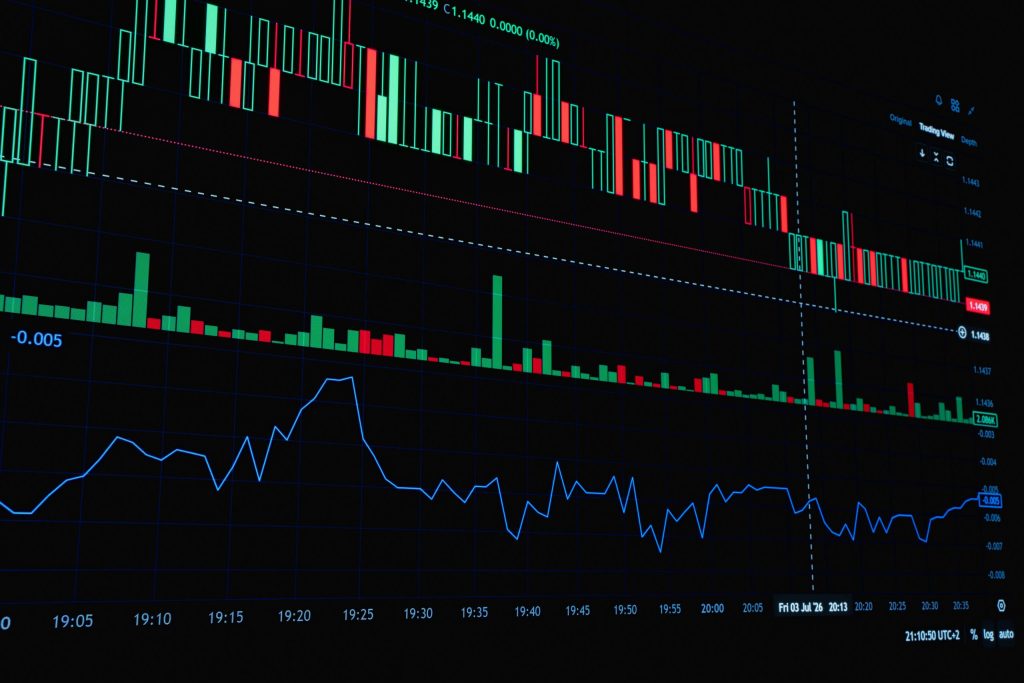
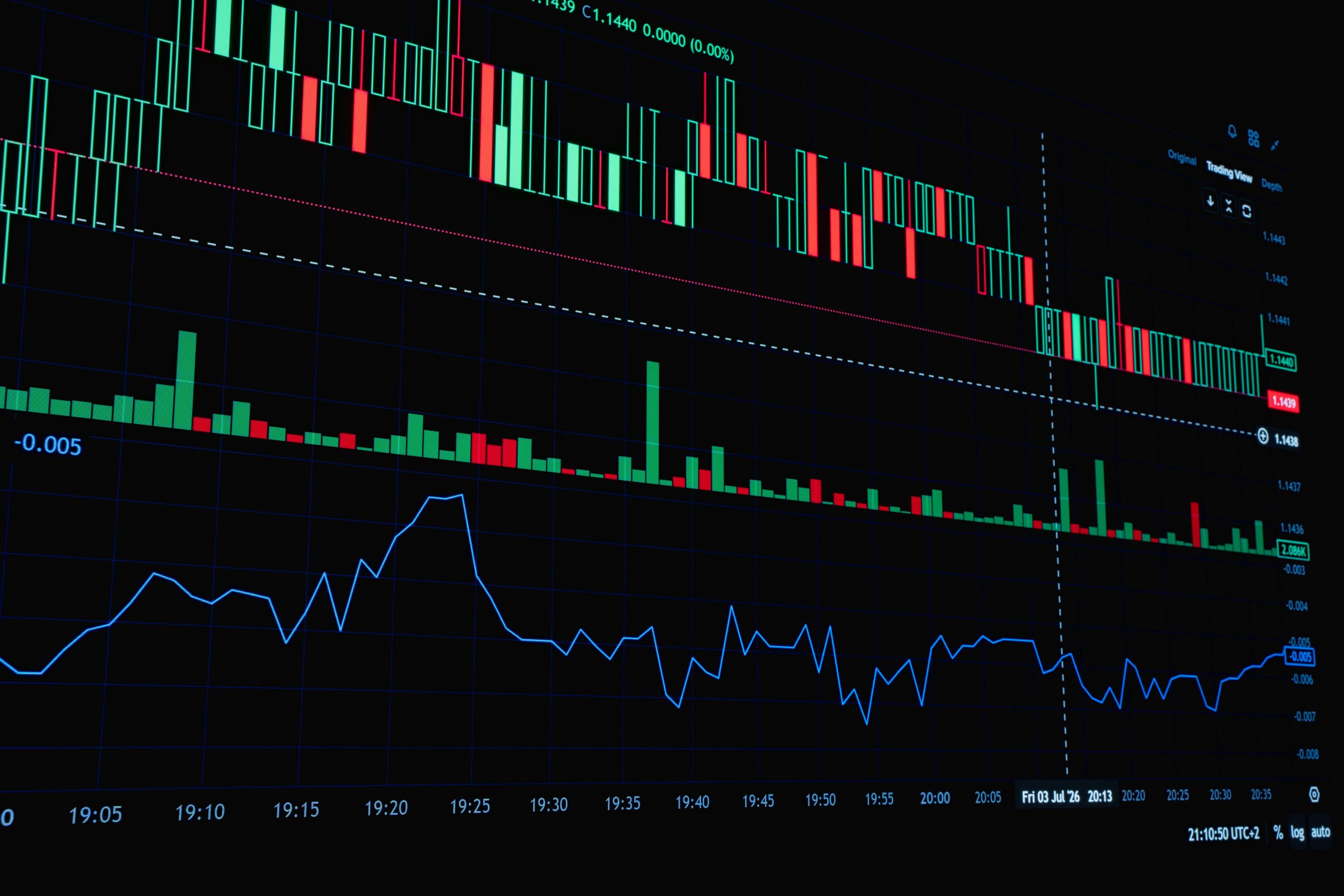

Currency volatility is back. After a quiet Asian session, the U.S. dollar is whipsawing against the euro and yen, and the ripple effect is hitting stocks, commodities, and forex pairs from the London open to the New York close. Is this a healthy rotation or the start of a deeper risk reset?
Why the Greenback Is Driving Equities and Forex
When the dollar moves fast, nearly every asset class reacts. A stronger dollar pressures multinational earnings, makes commodities more expensive for foreign buyers, and squeezes carry trades. At the same time, a sudden dollar pullback can fuel a relief rally in equities and emerging markets.
Central Bank Repricing Sets the Tone
Traders are no longer debating whether rate cuts will come, but how quickly and how deep they will go. Recent economic data has forced a repricing of Federal Reserve expectations, and that shift is visible in bond yields, gold, and the dollar index. The market is now trading the gap between official guidance and what futures are pricing in.


Risk Sentiment Is Split Across Regions
U.S. index futures are holding near key moving averages, while European and Asian benchmarks show more hesitation. The split tells you that this is not a one-directional macro trade. It is a relative-value market where currency strength and sector rotation matter more than simple bullish or bearish bets.
Three Charts to Watch Across Stocks and Forex
- EUR/USD: The pair is testing a short-term resistance cluster near 1.0850. A daily close above this zone would open the door toward 1.0950, while rejection keeps sellers in control.
- S&P 500 futures: The index is compressing below its 20-day moving average. A break above the prior session high could trigger momentum buying, but failure at resistance may invite a quick test of the weekly pivot.
- USD/JPY: The yen is strengthening in short bursts, creating choppy intraday ranges. Traders should watch the lower bound of the recent channel for clues on whether this is a trend change or another dip-buying opportunity.
Practical Trading Levels for the Week Ahead
Rather than chasing headlines, active traders should build a level-based plan. That means identifying the zone where a trade is wrong before entering, then letting price action confirm the move.
Stock Market Ranges to Respect
If equity futures hold above their opening range, the path of least resistance remains higher for growth and technology shares. A failed breakout, however, would favor defensive sectors such as utilities and consumer staples. Volume confirmation is essential because low-volume moves in futures tend to reverse quickly.
Forex Pairs That Offer Cleaner Setups
Currency pairs with stronger trends are offering better risk-reward than choppy majors. For example, commodity-linked currencies are reacting to oil and metal prices, while the Swiss franc is catching a safe-haven bid during risk-off bursts. The cleanest trades are often the ones where the fundamental driver and the technical structure agree.
Bottom Line for Active Traders
The market is not giving easy, one-way signals right now. The opportunity is in disciplined positioning: wait for a confirmed range break, size positions for volatility rather than comfort, and keep an eye on the dollar as the central switch for risk appetite. Traders who plan the trade before the market opens will be better positioned than those who react to every headline.