
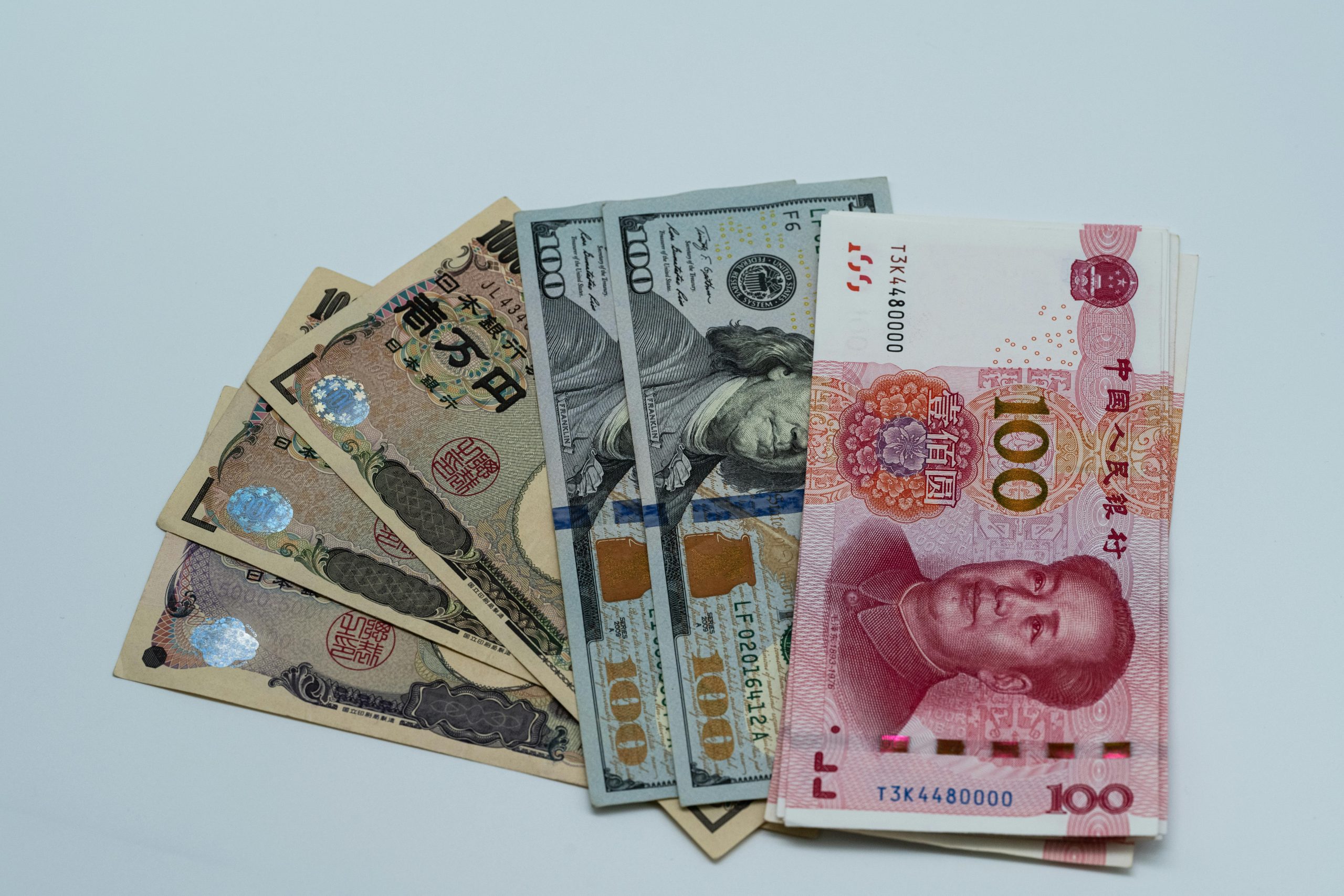

Is China’s economic engine sputtering? The latest official manufacturing PMI data paints a worrying picture for global markets. With factory activity grinding to a halt and export orders sliding, traders in stocks, forex, and commodities need to reassess their positions. Here’s what the numbers mean and how they could ripple through your portfolio.
Manufacturing PMI Flatlines at 50: A Precarious Balance
The National Bureau of Statistics (NBS) reported that China’s manufacturing PMI dropped to 50.0 in May, down from 50.3 in April. That’s the lowest reading in three months, barely clinging to the expansion threshold. While production held at 51.2, new orders slipped into contraction at 49.9—signaling that demand is drying up.
Export Orders Take a Sharp Dive
The real shock came from new export orders, which fell to 48.6 from 50.3. This steep decline highlights China’s vulnerability to weakening overseas demand. Consumer goods exports were hit hardest, leaving policymakers scrambling to boost domestic consumption—a familiar but unsolved challenge.
- Production sub-index: 51.2 (still expanding)
- New orders sub-index: 49.9 (contraction territory)
- New export orders: 48.6 (sharp drop from April’s 50.3)
Geopolitical Firestorm Inflates Input Costs
Manufacturers aren’t just battling weak demand; they’re also getting squeezed by soaring costs. The U.S.-Israeli war with Iran has effectively closed the Strait of Hormuz, sending energy prices surging. The raw material price gauge in the PMI survey came in at 60.5—still painfully high, though down from April’s 63.7.


Uneven Impact Across Sectors
Petrochemical and upstream industries are absorbing the brunt of imported inflation. Yet, there’s a silver lining: high-tech and equipment manufacturing outperformed, with PMIs of 52.9 and 52.1 respectively. Stockpiling by buyers fearful of further cost hikes, plus robust global demand for semiconductors and AI-related goods, is keeping advanced manufacturing afloat.
Services Offer a Fragile Lifeline
The non-manufacturing PMI edged up to 50.1 from 49.4, buoyed by a travel boom during the May Day holiday. The services sub-index hit a nine-month high of 50.3, suggesting Beijing’s push to expand the services sector may be gaining traction. But can this offset the industrial slowdown?
Divergence Creates Trading Opportunities
This split between manufacturing weakness and services resilience could create tactical opportunities. Forex traders should watch the yuan (CNY) for potential depreciation pressure, while commodity traders may find crude oil and copper reacting sharply to China’s demand signals. Equity investors might rotate into Chinese tech and consumer services while trimming exposure to traditional industrial plays.
What This Means for Your Trading Strategy
The stall in China’s factory sector is not just a local event—it’s a global macro warning. With no extension of the U.S.-China trade truce after the mid-May summit, tariffs remain a headwind. Traders should monitor these key levels:
- USD/CNY: A break above 7.30 could signal renewed yuan weakness.
- Brent crude: Sustained above $95/barrel may reflect both supply fears and weakened Chinese demand.
- Shanghai Composite Index: Support at 3,100; a breakdown could accelerate losses.
Stay proactive, not reactive. Adjust your stops, diversify across sectors, and keep a close eye on the next PMI print—it could be the canary in the coal mine for a broader global slowdown.